

What if your wellness routine did not need another supplement, tracker, challenge or carefully colour-coded schedule?
After years of optimisation culture, a quieter shift is taking place. Women are becoming more critical of quick fixes and complicated routines, while the wider wellness industry is beginning to recognise a growing desire for pleasure, flexibility and simplicity.
This does not mean that wellbeing no longer matters. It means we may be ready to approach it differently.
Instead of trying to perform wellness perfectly, you can create a small foundation that still works when life becomes busy. Think of it as your minimum viable wellness routine: the few habits that help you feel supported without taking over your day.
Start With the Habits That Matter Most
The wellness industry offers an almost endless selection of products, protocols and promises. Some may be useful, but they should complement your foundations rather than replace them.
A realistic routine can begin with four areas:
- Movement
- Nourishment
- Rest
- Recovery
These categories are intentionally broad. Your routine does not need to look like anyone else’s, and it does not need to be identical every day.
The aim is to decide what “enough” looks like for you. That gives you something manageable to return to, even when motivation is low.
Make Movement Easier to Begin
The European Week of Sport takes place from 23 to 30 September with a refreshingly inclusive message: be active your way.
That matters because movement is often presented as something that only counts when it is long, intense or measurable. Official guidance tells a more encouraging story. The World Health Organization states that any amount of physical activity is better than none and that all movement counts.
Your minimum might be a ten-minute walk, stretching while dinner cooks or completing one short strength session. On a more spacious day, you might play tennis, visit the gym or take a longer cycle.
This is not about lowering your ambitions. It is about keeping the door to movement open. A smaller version of a habit can preserve continuity when the ideal version is not possible.
Simplify Nourishment Without Making It Restrictive
A supportive food routine does not require a daily stream of new recipes.
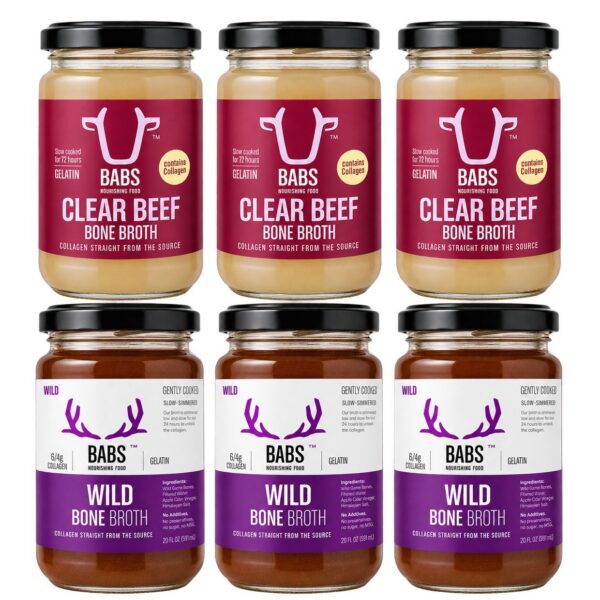
Instead, choose a few meals and ingredients that make balanced eating easier. You might keep the components for a nourishing breakfast available, prepare one versatile grain or roasted vegetable tray, or create a list of five dinners you genuinely enjoy.
The purpose is to reduce decision fatigue, not food choice.
Try asking: what can I add to make this meal more satisfying? Depending on your needs and preferences, that might be vegetables, fruit, legumes, wholegrains, nuts, seeds or another useful source of protein.
A routine should create steadiness, not rigid rules. Food can be nourishing, convenient, social and pleasurable at the same time.
Give Rest a Place in the Routine
Rest is often treated as the reward for completing everything else. In practice, there will always be another task, message or load of washing waiting.
A minimum viable evening routine can be extremely simple. Choose one repeatable cue that tells your mind the active part of the day is ending. Dim the lights, put your phone away for a while, prepare tomorrow’s clothes or read a few pages of a book.
You do not need a twelve-step nighttime ritual. One reliable transition may be more useful than an elaborate routine you rarely complete.
If ongoing tiredness is affecting your daily life, do not assume that you simply need more discipline. Persistent fatigue can have many causes and deserves appropriate medical advice.
Build Habits Around Real Life
Healthy habits are not created in a perfect week. They are created through repetition in ordinary ones.
A 2024 systematic review found that health-related habits often took around two months to begin becoming automatic, although the timing varied considerably between people and behaviours. That makes the popular idea that every habit forms in 21 days far too simplistic.
Choose one habit first and attach it to something that already happens. Walk after lunch. Fill your water bottle when making coffee. Prepare tomorrow’s breakfast while clearing dinner.
Most importantly, create a smaller backup version. If your normal plan is a gym session, the backup might be ten minutes of movement at home. If you usually cook, the backup might be a simple assembled meal using reliable ingredients.
Your routine becomes more resilient when it includes imperfect days.
Curate Before You Add
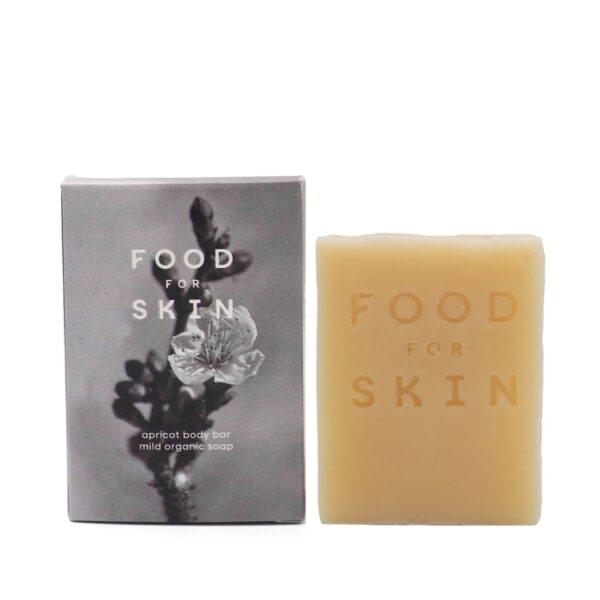
Products can make healthy living easier, more enjoyable or more beautiful. A comfortable training set may encourage movement. A practical bottle can make hydration more convenient. Skincare can create a calming moment of care.
But before buying something new, ask:
- What need am I trying to meet?
- Could a simple habit meet it first?
- Will this product remove friction or add another task?
- Can I realistically see myself using it regularly?
The best wellness routine is not the most impressive one. It is the one that supports your life quietly and consistently.
Choose your foundations first. Add thoughtfully. Leave room for seasons, energy and pleasure. A life that feels good rarely begins with doing everything. More often, it begins with knowing what is enough.
Explore Aesthetic Online for considered inspiration across movement, nourishment and care, curated to support a healthy life without the pressure of perfection.



Leave a comment